Emergency rescue & transport
Coordinated intake, climate-controlled transport, and same-day placement for dogs pulled out of seizures, closures, and natural-disaster zones.
Support a rescueA national commitment to small dogs in need
Tiny Dog Rescue is a U.S.-based nonprofit built around the dogs most often overlooked — the small, the senior, the medically fragile. We fund rescue, veterinary recovery, and responsible placement in 42 communities across the country.
A national mission
Small dogs arrive in shelters faster than almost any other group — from breeding operations that retire them at five, from families priced out of a dental surgery, from housing that will not take them. They are also the first to be missed. We exist to close that gap with urgency, clinical rigor, and a placement network built to hold.
Why small dogs
Specializing is not sentimentality. Small dogs face a distinct set of risks, and a response designed around them reaches lives that a general-purpose program misses.
Dental disease, luxating patellas, collapsing tracheas, and hypoglycemia are common in toy breeds — and expensive enough that treatment is often the reason a family gives a dog up.
Commercial breeding retirements, hoarding cases, and puppy-mill seizures arrive in groups of thirty or more, overwhelming a local shelter’s capacity in a single afternoon.
A frightened six-pound dog is labeled unpredictable rather than stressed. That label shortens the time they are given to decompress and be seen clearly.
Weight limits, breed restrictions, and pet deposits make small dogs the first animals surrendered during an eviction, a divorce, or a move into assisted living.
Our hands-on work
Each program exists because a dog was lost in the gap between the last two. Together they cover the whole distance from an emergency call to a settled home.
Coordinated intake, climate-controlled transport, and same-day placement for dogs pulled out of seizures, closures, and natural-disaster zones.
Support a rescueDiagnostics, dental surgery, orthopedic repair, and the weeks of monitored recovery that follow. No dog in our care is turned away over the cost of treatment.
Fund careMore than 1,200 trained foster homes, behavioral support, and a matching process built around what each dog actually needs from a household.
Open your homeFunded clinic days and mobile surgical units in communities where the nearest low-cost appointment is more than an hour’s drive away.
See the programGrants, training, and shared capacity for the municipal shelters and volunteer rescues already doing this work every day.
Partner with usStanding agreements that let us move animals, supplies, and veterinary staff into a wildfire, flood, or hurricane response within 48 hours.
Read our modelHow our model works
A partner shelter, an animal control officer, or a field team flags an urgent case. We confirm capacity, arrange transport, and move within hours rather than weeks.
Veterinary teams handle diagnostics, surgery, dental work, and rehabilitation — then give each dog the quiet weeks that recovery actually takes.
Fosters document how a dog lives day to day. That record, not a kennel card, is what we match against a prepared adopter.
Placement is not the finish line. Adopters keep a behavior helpline, medical stipends for chronic conditions, and our commitment to take a dog back for life.
A story of recovery
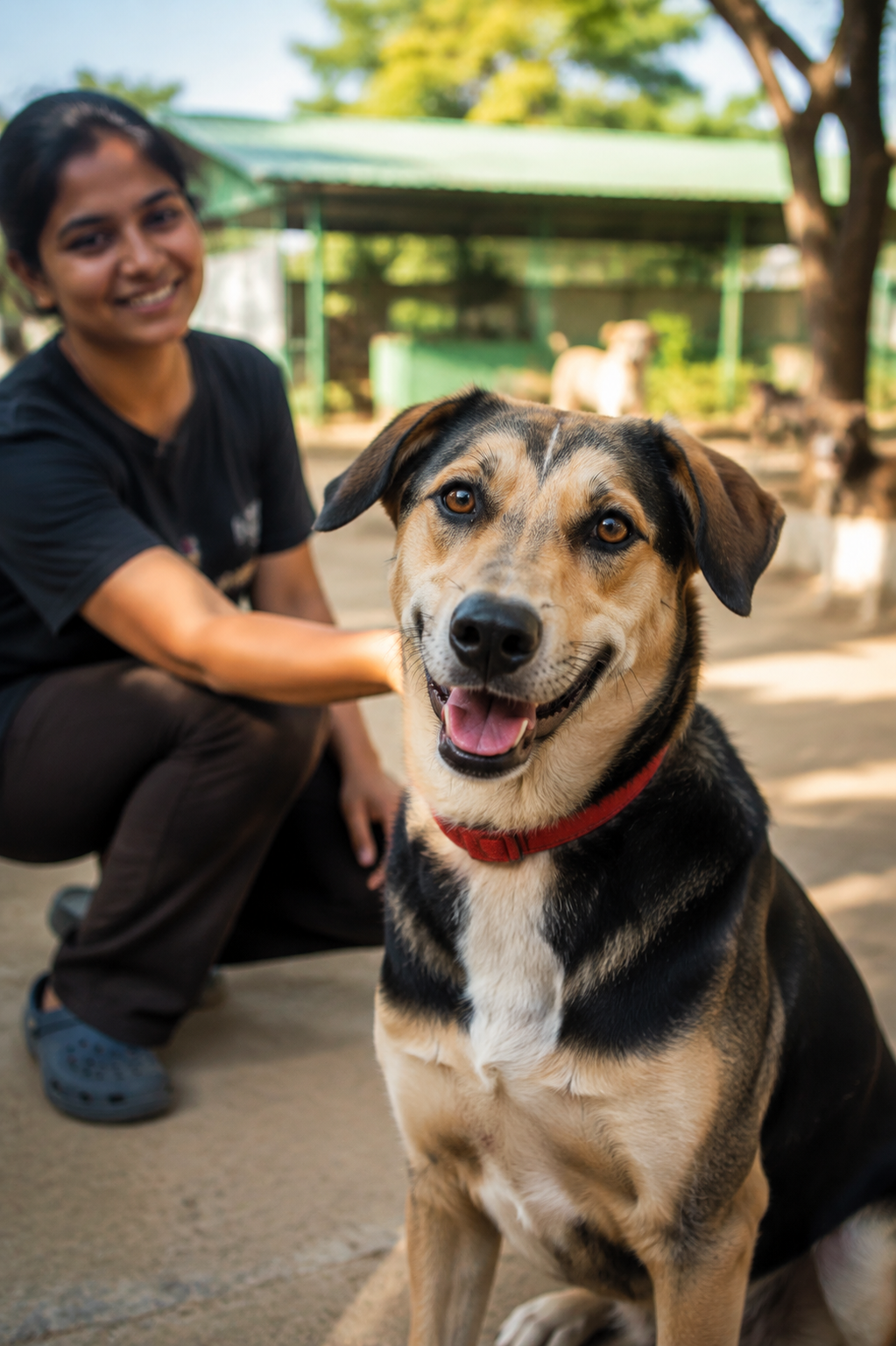
Bella came out of a breeding retirement with eleven teeth, a heart murmur, and no idea what a hand reaching toward her meant. For the first nine days she ate only after her foster left the room.
What changed her was not a breakthrough. It was a dental surgery, a heart medication, and eleven weeks of somebody being reliably boring in the same kitchen every morning. She was adopted in March by the foster who waited her out.
Bella is one of roughly 2,700 breeding-retirement dogs we expect to take in this year.
Give another dog this chanceThe work, at scale
Our $50M+ annual budget helps ensure that the right care reaches the right dog at the right moment — and that communities have the tools to protect the animals who depend on them.
Read the full impact reportWhere we work
We do not run branches. We fund and equip the shelters, clinics, and volunteer rescues already rooted in each community, then add the capacity they cannot carry alone.
8 communities · 3 partner clinics
11 communities · mobile surgical unit
7 communities · breeding-retirement intake
6 communities · border transport corridor
5 communities · disaster staging site
5 communities · wildfire response team
Stewardship
Our annual operating budget of more than $50 million is directed toward durable, measurable care — from emergency intervention to long-term prevention. Every line below is reviewed quarterly by an independent board committee.
See our accountability reportRescue & veterinary careEmergency transport, clinics, surgery, treatment, and recovery.
Community access & preventionSpay/neuter, food support, training, and local partner grants.
Foster, adoption & placementPlacement services, behavioral support, and post-adoption care.
Accountability & operationsImpact measurement, governance, safety, and responsible infrastructure.
What a gift covers
These are unit costs drawn from last year’s program spend, not illustrative figures.
Two weeks of prescription food and supplies for a dog in recovery.
A wellness exam, core vaccinations, and a microchip for one intake.
A full dental extraction — the single most common surgery we fund.
One emergency transport run: fuel, crates, staff, and veterinary escort.
Our vision
We are working toward a future where no community lacks access to humane, reliable dog care — and where every family who chooses to adopt has the support to succeed.
We pair the urgency of rescue with the long view: stronger local systems, healthier dog populations, and a national culture that treats care as a shared responsibility.
That means funding prevention that never makes a headline — a spay clinic in a county with none, a retention grant that keeps a dog out of intake entirely, a partner shelter that can finally afford a full-time veterinary technician.
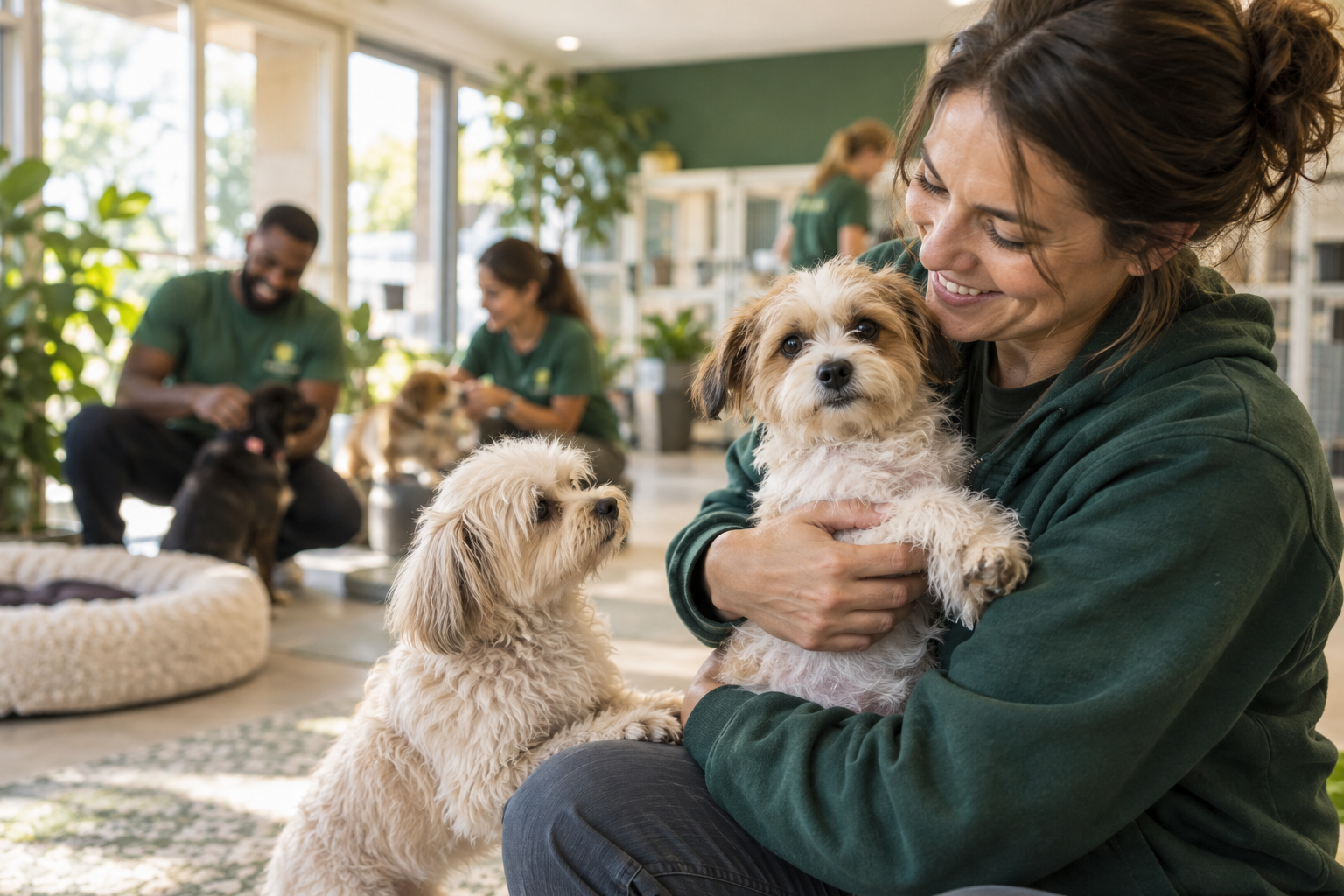
Care is a team effort
Veterinary professionals, foster families, transport partners, volunteers, and local advocates form the human network behind every recovery.
Roughly 3,400 people give time to this organization each year. They are the reason a dog pulled from a seizure in rural Missouri on a Tuesday can be asleep in a living room by Thursday.
Registered nonprofit, governed by an independent volunteer board.
Independent external audit; statements available on request.
Of every dollar received, directed to direct program delivery.
Filed and shared each year alongside our impact report.
Questions, answered
If your question is not here, our team answers email in under two business days.
Eighty-two cents of every dollar goes directly to programs — rescue and veterinary care, community prevention, and placement. The remaining eighteen cents covers impact measurement, governance, safety, and the infrastructure that keeps the rest accountable. The full allocation is published on our accountability page.
There’s room for you
Every role below is filled by someone who started with no experience and one free evening a week.
Your contribution gives a dog comfort today and a future tomorrow.