Tiny Dog Rescue
Partner Capacity Grants
Unrestricted operating grants of $5,000 to $150,000, awarded annually. Roughly $6M is distributed across about 90 organizations each cycle.
For Shelters & Rescues
Tiny Dog Rescue is a funder as much as a rescue. If your shelter or rescue takes in small dogs and keeps running out of the capacity to treat them, our Partner Capacity Grant exists for you — and so does a phone number that gets answered.
Tiny Dog Rescue
Unrestricted operating grants of $5,000 to $150,000, awarded annually. Roughly $6M is distributed across about 90 organizations each cycle.
Tiny Dog Rescue
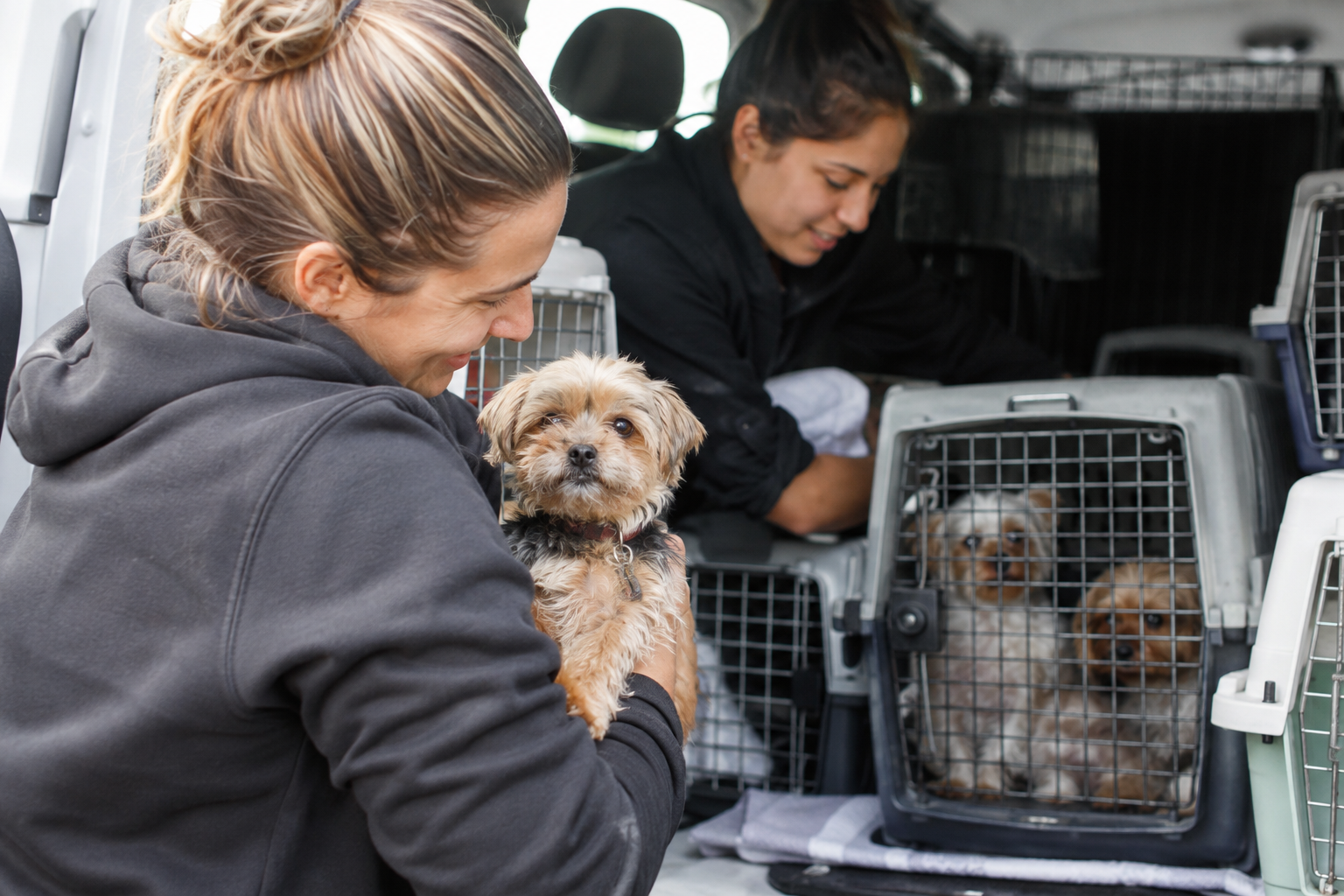
When a breeding facility closes or a hoarding case breaks in your county, we help fund the transport, crates, and veterinary hours that a sudden intake of thirty dogs demands.
Tiny Dog Rescue
We pay for dental extractions, orthopedic repairs, and diagnostics your budget cannot absorb, billed directly to us at your existing veterinary partner.
Tiny Dog Rescue
We fund and staff clinic days in counties with no low-cost provider. You supply the site and the community relationships; we supply the rest.
Tiny Dog Rescue
Move dogs out of a saturated county and into a foster network with room. Routes are built around available capacity, not geography.
Tiny Dog Rescue
Access to our intake protocols, foster onboarding curriculum, and case-management templates at no cost, whether or not you hold a grant.
How we decide
The most common reason a grant application fails elsewhere is that a small rescue cannot write like a large one. We read for what an organization actually does, not how well it describes itself, and our reviewers include two shelter directors who have sat on the other side of this process.
We weight three things: how many small dogs your organization takes in relative to its budget, whether the money removes a specific bottleneck you can name, and whether you are operating somewhere with no realistic alternative provider. A polished narrative earns nothing on its own.
We also fund organizations we have declined before. A no in one cycle carries no penalty in the next, and we will tell you plainly what would change our answer.

The 2026 grant cycle
One cycle a year, published in advance. We would rather you plan around it than discover it.
The form takes most organizations about ninety minutes. There is no fee, and no consultant is required or advantaged.
Late submissions are held for the following cycle rather than discarded. We will tell you that has happened.
Every applicant hears back, funded or not, on the same day — with the reasoning, not a form letter.
A single payment, unrestricted, with one short report due twelve months later.
Where the money went
Ninety-one organizations were funded last cycle. These five are representative rather than exceptional.
| Organization | Where | Awarded | What it funded |
|---|---|---|---|
| Riverbend Animal Services | rural Missouri | $140,000 | A full-time veterinary technician and a surgical suite upgrade, after a breeding-facility closure put sixty-three dogs into a shelter built for twenty. |
| Harbor Small Dog Rescue | coastal Oregon | $38,000 | Foster stipends and a behavior consultant, cutting median time-to-placement from 71 days to 34. |
| Two Rivers Humane Alliance | west Tennessee | $95,000 | A transport van and driver hours, opening a corridor between three saturated counties and a metro foster network. |
| Alta Mesa Community Clinic | southern Arizona | $150,000 | Twenty-six mobile spay/neuter days in a county whose nearest low-cost provider was ninety minutes away. |
| Northline Rescue Collective | upper Michigan | $12,500 | Dental equipment and prescription food — a small grant against the single most common surgery small dogs need. |
Eligibility
If all five are true, you are eligible. If you are unsure about any of them, write to us rather than assuming a no.
Registered nonprofits and government-run animal services are both eligible. Fiscal sponsorship is accepted.
Enough of a record to show a pattern. New organizations can apply to our smaller start-up fund instead.
Not exclusively — most of our partners take all sizes. We look for meaningful volume, not a specialty.
Tell us the specific thing money would unblock: a vet tech salary, a transport van, a surgical backlog. Vague general support is the hardest case to fund.
One short report a year. We publish aggregate results and never name an organization in a negative context.
Plainly stated
We will fund salaries, veterinary care, transport, equipment, facility repair, software, insurance, and the unglamorous operating costs that most funders refuse. Unrestricted is our default, not an exception.
We will not fund breeding operations of any kind, organizations that decline animals on breed alone, capital campaigns for new construction, or legal costs arising from a cruelty finding against the applicant.
Email our grants team →